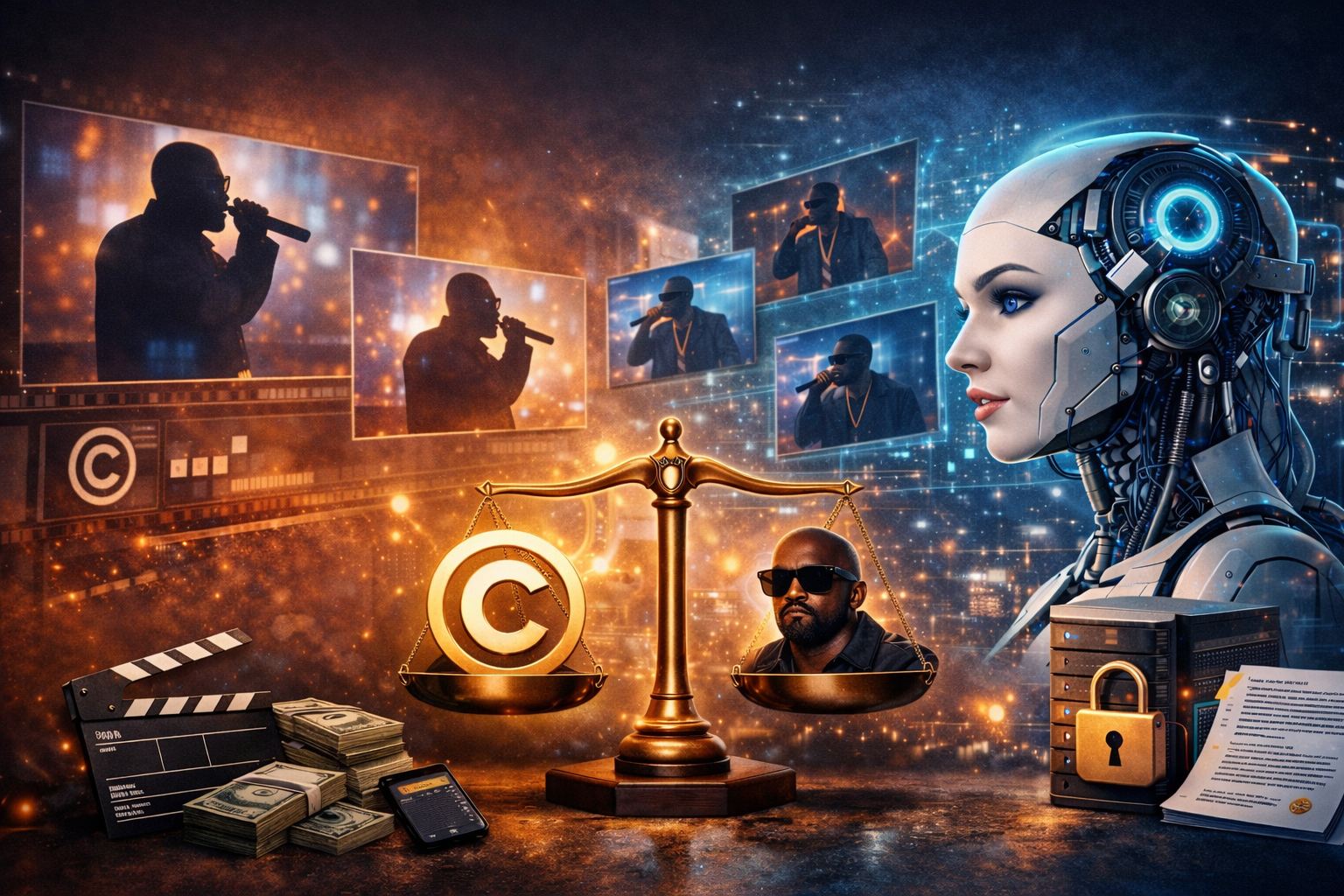
Seedance 2.0, “AI Kanye,” and the Ownership Question That’s About to Rewire Entertainment
Seedance 2.0 isn’t just another AI demo, it’s a warning shot for anyone who thinks video is still protected by the old bottlenecks: crews, budgets, sets, post-production. When a tool can generate a “cinematic” clip fast enough to keep up with a social feed and cheap enough to be churned out endlessly, the conversation stops being about novelty and starts being about control.
The viral “AI Kanye” style videos are the clearest example of why. They don’t have to be perfect. They only have to be plausible on first watch—enough to trigger recognition, enough to get shared, enough to blur the line between performance and fabrication. Yes, people can spot glitches if they pause and replay. But the economic reality is the bigger story: what used to require a VFX studio can now be approximated by a single creator in minutes.
That’s where the real conflict begins, because “who owns this?” is no longer a simple copyright question. It’s three separate fights happening at the same time: ownership of the output, ownership of the person being depicted, and ownership of the work the model learned from. And those three answers don’t always point in the same direction.
In a world where realism is cheap, permission becomes the scarce asset. Not cameras. Not editing skills. Not even production value. The winners won’t just be the companies with the best models, they’ll be the ones with licensed data, authorized likeness, and provenance they can prove.

From Prototype to Production: What the Next Wave of Enterprise AI Really Looks Like
The real enterprise AI gap isn’t capability—it’s production. Many teams can build a prototype; far fewer can deploy systems that quietly deliver value every day without creating new risk. The organizations that win the next wave will anchor AI in specific, recurring decisions, build disciplined MLOps around stable data and clear ownership, and design “human-in-the-loop” workflows that improve trust and performance over time. If your AI program has stalled after early proofs of concept, this essay outlines a practical roadmap for turning experimentation into an operational capability.

When the Camera Learns to Think:AI, Creative Leverage, and the Future of Film
Artificial intelligence is moving from the margins of post-production to the center of the film creative stack. In just a few years, tools that once handled narrow tasks now support end-to-end workflows—helping teams iterate on scripts, storyboards, concept art, previs, localization, and more. But the real shift isn’t just speed or savings: it’s how creative work is defined, who gets to participate, and how value is shared. This piece maps where AI is already reshaping the pipeline—and what responsible adoption looks like as the camera learns to think.